Abstract:
Background and Rationale: Weight bias, the tendency to hold negative attitudes toward individuals based on body weight, is well-documented in the general population. Less openly examined is its presence within healthcare itself, including among the obesity medicine specialists charged with treating it. Studies show that physicians, nurses, and allied health professionals harbor measurable implicit bias against patients with obesity, resulting in shorter consultations, less preventive care, and lower-quality counseling. Patients respond by delaying care, avoiding appointments, and disengaging from treatment. Not because of their disease, but because of how they are treated. Specialization does not eliminate this bias. Without deliberate self-examination, it can reinforce it.
Objectives: This presentation aims to (1) establish the evidence base for weight bias in clinical settings, including among obesity specialists; (2) guide healthcare professionals through structured self-reflection using validated implicit bias tools; (3) introduce cultural humility as an active, ongoing clinical practice; and (4) equip attendees with practical, immediately applicable strategies for weight-inclusive, person-centered care across diverse patient populations.
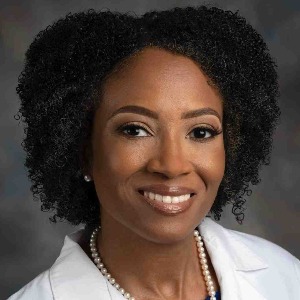
Content and Approach: Drawing on over 24 years of clinical practice in Internal Medicine and Obesity Medicine, as well as her widely viewed TEDxUF talk “Breaking Weight Bias in Healthcare and Society,” Dr. Norfleet structures this session around three pillars: The Evidence, The Mirror, and The Practice. The Evidence presents the research landscape on provider weight bias, its prevalence, mechanisms, and downstream effects on patient behavior and outcomes. The Mirror invites clinicians to examine their own assumptions through patient narratives, validated self-assessment tools, and Dr. Norfleet’s own experience navigating healthcare as a person with weight, demonstrating that transparency is not a liability but a clinical asset. The Practice translates awareness into action: person-first language, compassionate communication, equitable care environments, and culturally humble engagement with patients from multiple backgrounds and communities.
Significance: A review of five years of WOC programming (2022 to 2026) reveals that weight bias among providers and cultural humility in obesity care have not been directly addressed at this congress. As the field of obesity medicine advances pharmacologically and surgically, the therapeutic relationship remains foundational. Weight bias remains one of the most significant and under-addressed barriers to effective care. This session fills that gap with evidence, empathy, and actionable tools, delivered by a clinician who has lived both sides of the patient-provider dynamic.
Conclusion: Words have weight. The language clinicians use, the assumptions they carry, and the environments they create either open or close the door to effective treatment. This presentation challenges obesity medicine specialists to turn the clinical gaze inward, not with shame, but with the rigor and curiosity that define excellent science. Cultural humility is not a soft skill. It is clinical excellence.